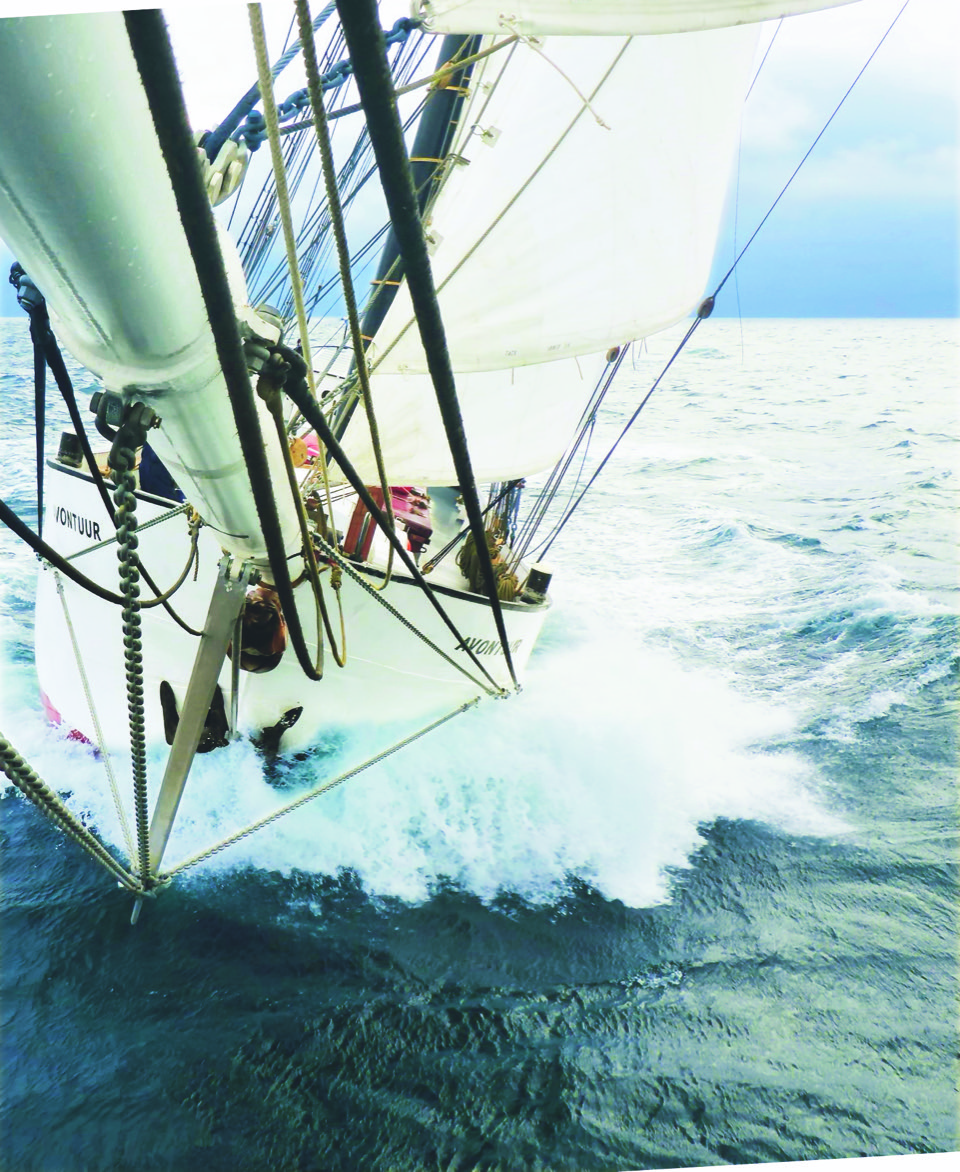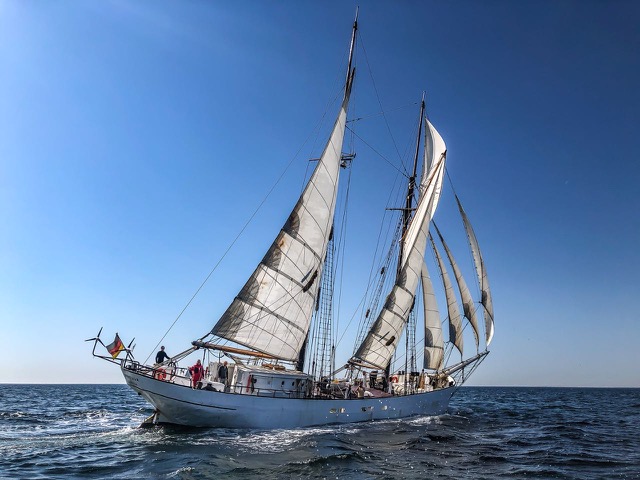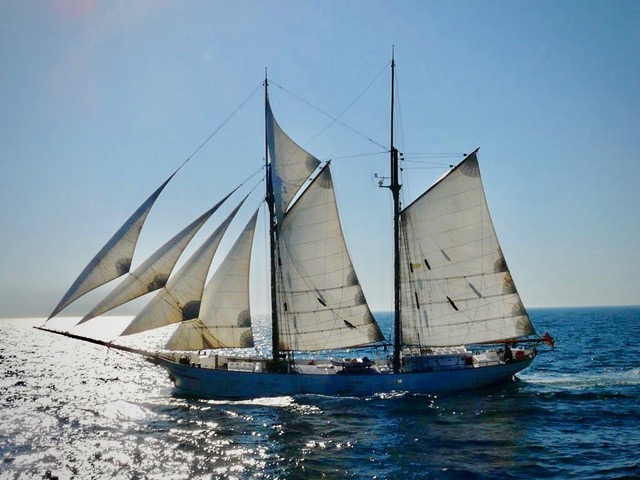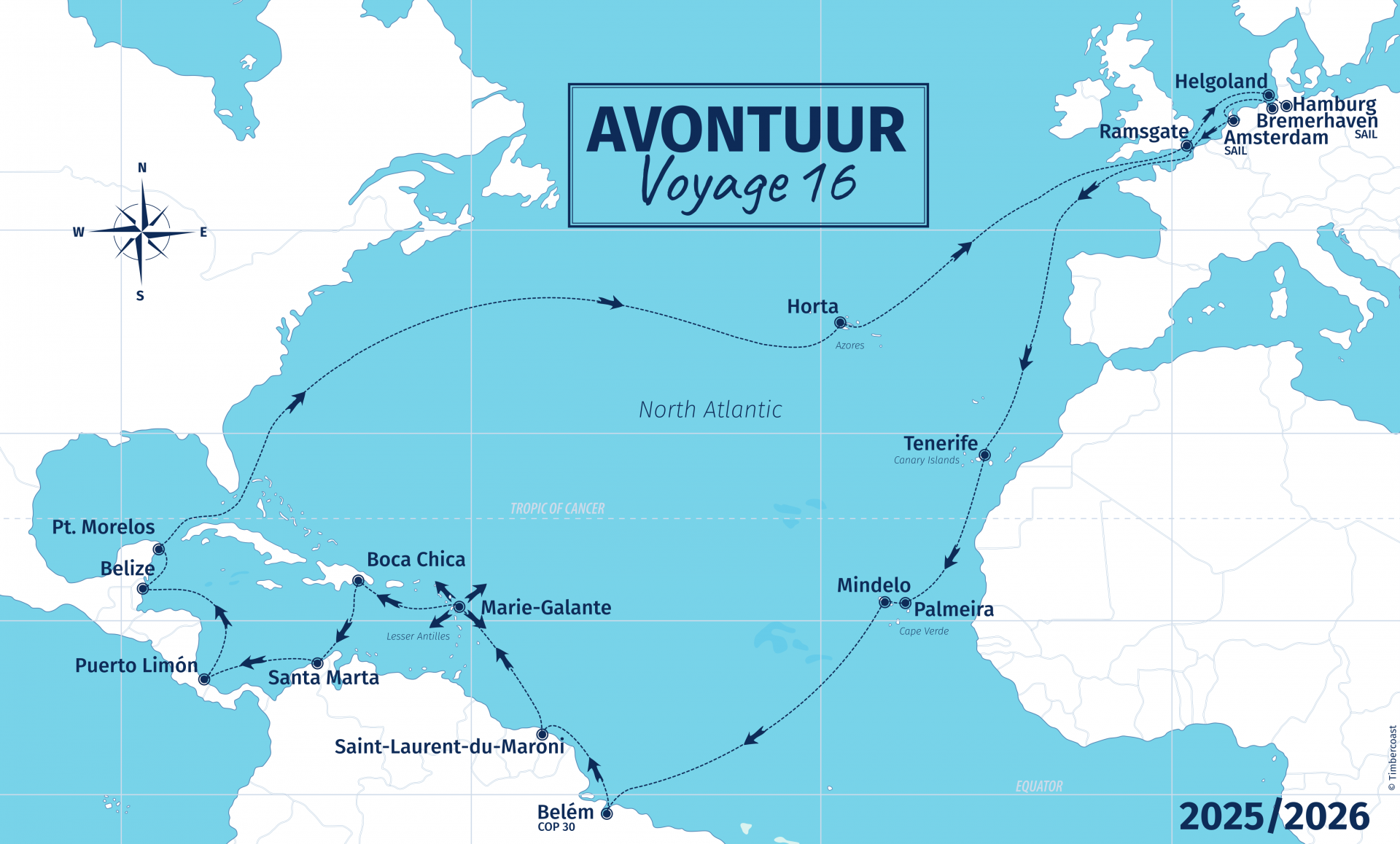
The Avontuur is a two-masted gaff schooner, built in 1920 by Otto Smit in Stadskanaal, Netherlands. Until 2005, it was used as a cargo sailing ship, most recently under the command of Dutch captain Paul Whalen. He transported cargo between the North and Baltic Seas, the North Atlantic Ocean, and ports in the Caribbean. The ship was widely recognized there as one of the last true cargo sailing ships of the 21st century.
After the Avontuur was used for several years as a passenger ship for day trips along the Dutch coast and between the West Frisian Islands, it has been used again as a cargo sailing ship since the fall of 2014.
The mission
The sailing ship Avontuur transports goods solely by wind power and delivers organic products from afar to you in an environmentally friendly way
What we do today determines how we live tomorrow. The currently more than 51,000 seagoing cargo ships—the main mode of global trade—damage the environment and emit life-threatening toxins. Worldwide shipping produces more CO₂ emissions each year than the entire Federal Republic of Germany, which ranks sixth in the world among the largest CO₂ emitters.
The Avontuur offers the opportunity to transport cargo solely by wind power, creating a direct link between sustainable producers and responsible consumers.
Become a Shipmate on the Avontuur
Do you have what it takes?
Regardless of what you’ve heard or read about cargo sailing, we want you to know that the Avontuur is not a conventional sailing ship. Sailing and working on board is not an ordinary part-time job or holiday outing. The crew’s mission is to show the world that green and sustainable maritime transport is both possible and necessary. They aim to make people think about the consequences of our lifestyle, consumption habits, and constant pursuit of growth. In other words, they don’t sail a traditional schooner just for tradition’s sake, and every person on board is treated as a full crew member who must know exactly what is expected of them!
You are expected to actively participate both on board and in the ports. This includes, but is not limited to, keeping watch, handling sails, performing maintenance work, cleaning, working in the galley, and assisting with cargo operations. The contribution for the sailing voyage goes toward the operational costs of the Avontuur and the entire project.
All crew members on board are encouraged to support the mission with their work, conviction, and heart. In every port you visit, you act as ambassadors of a mission that you carry into the world aboard the Avontuur. You cross the ocean on a sailing ship without leaving a trace, except for the ship’s wake.
If you identify with these goals and want to support these ideals, we would love to hear more about you and why you want to sail with the Avontuur.
How are the Shipmates accommodated?
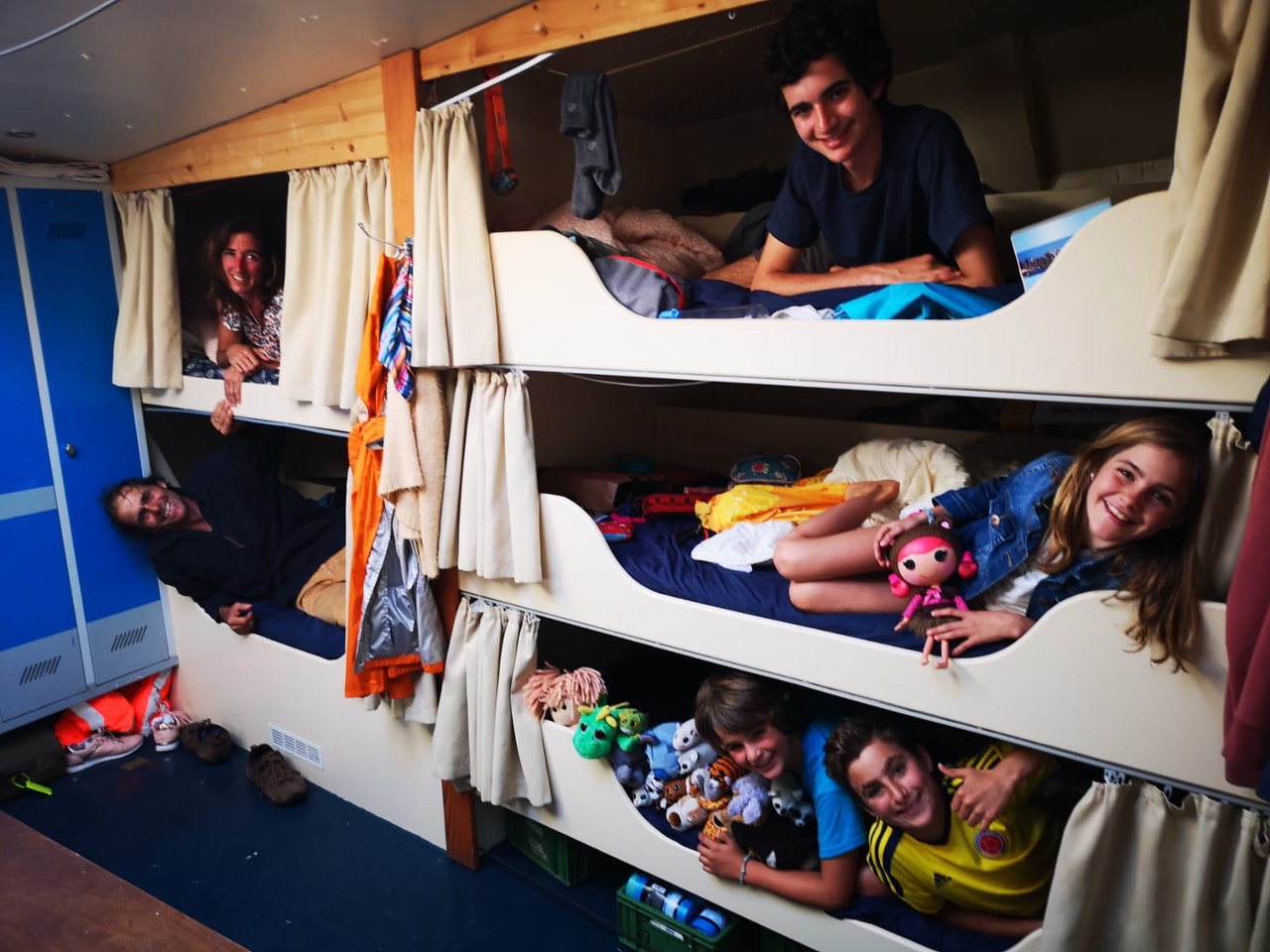
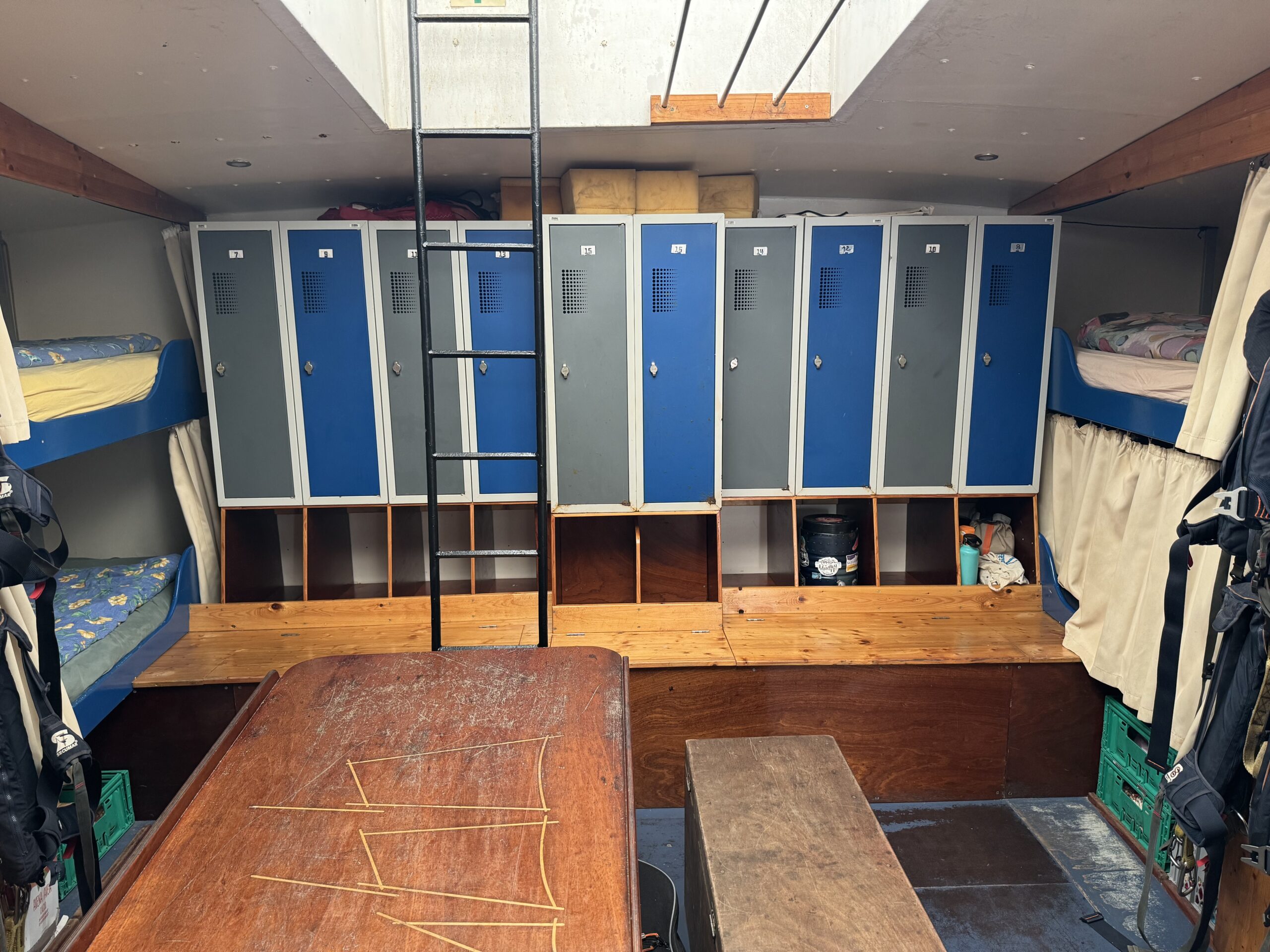
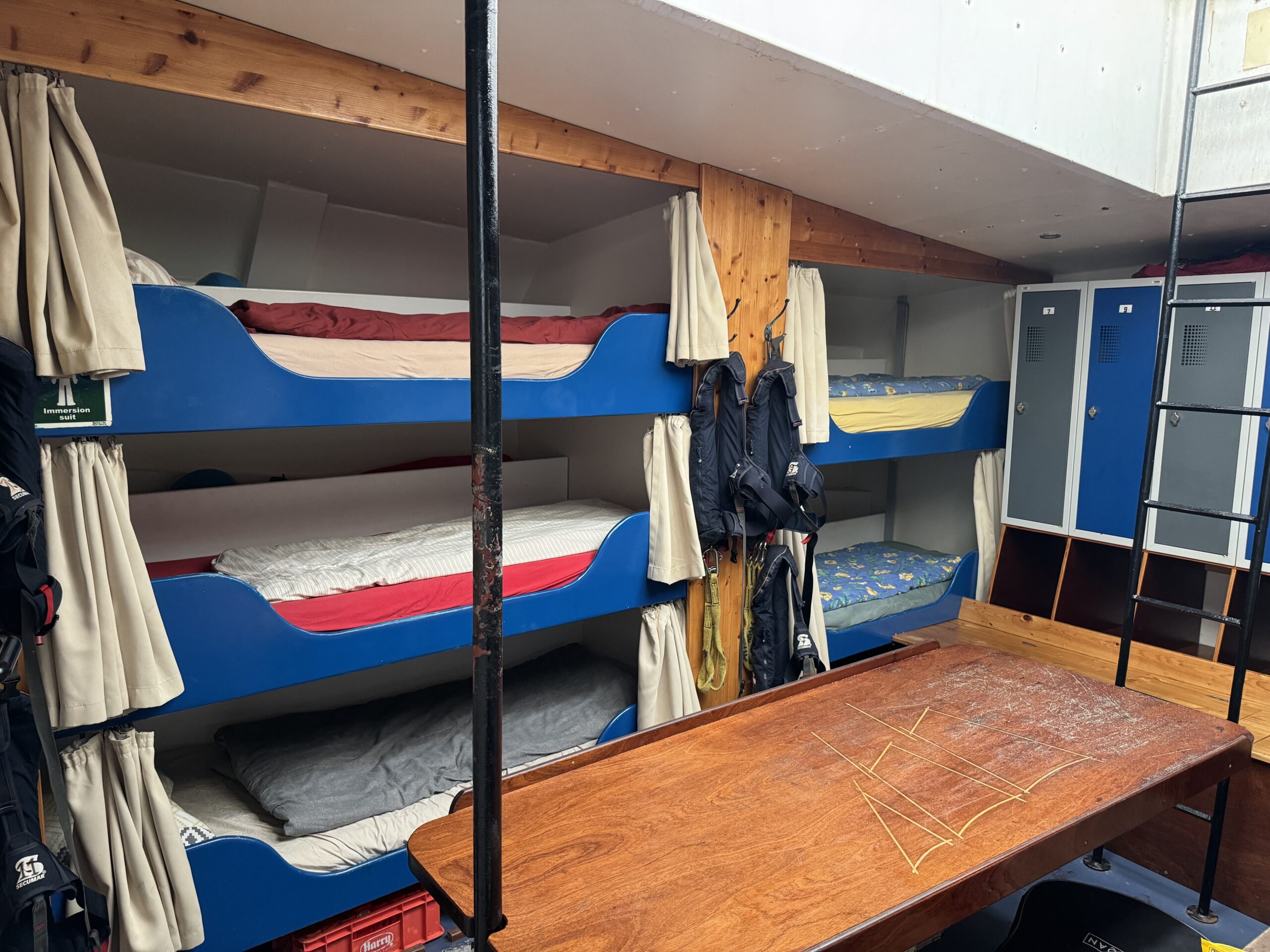
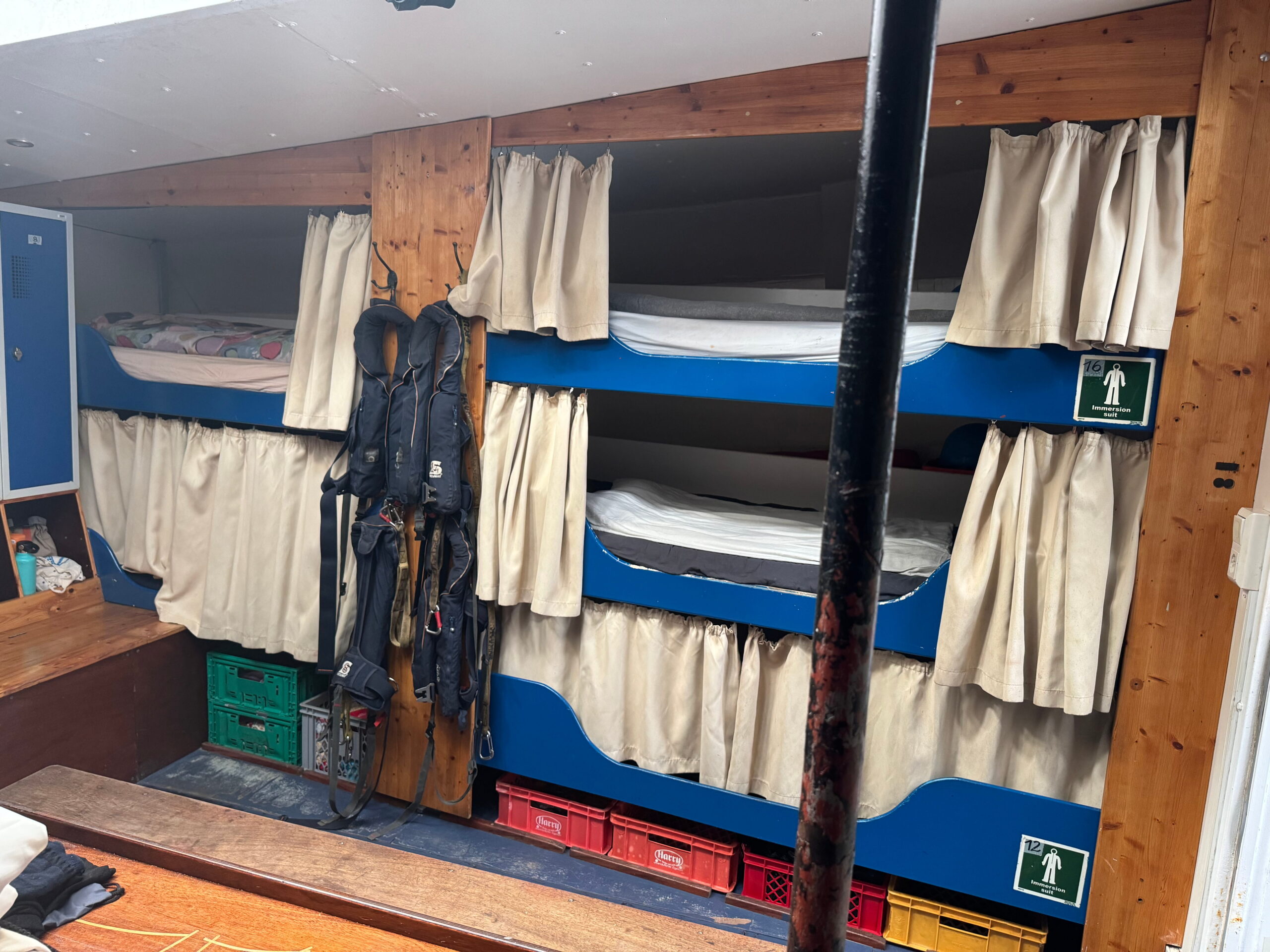
The crew quarters in the foreship have been set up by a few very talented volunteers. They feature 10 bunks, a locker for each person’s personal belongings, a shower (cold water), and a toilet.
Do I need sailing experience to come on board as a Shipmate?
No, it’s not necessary. The ship has a fully certified crew who will teach you everything you need to know for a safe sailing adventure during your time on board.
What skills will I learn during my stay?
Depending on the length of your stay on board, you can learn the following skills:
- Safety on board and ship maintenance
- Sailing and performing sail maneuvers
- Steering the ship
- Keeping watch
- Working with the rigging
- Traditional techniques for loading and unloading cargo
- Celestial navigation
The Cargo
The Avontuur mainly transports high-quality small batches from sustainable or artisanal productions. These include, among others:
- Coffee, raw coffee beans from Central and South America
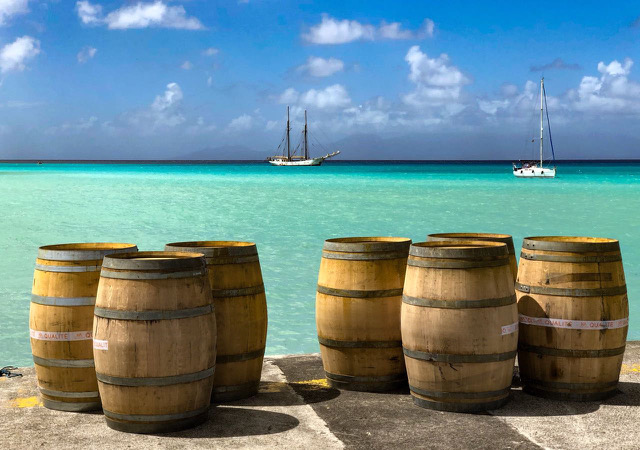
- Rum and other spirits, mainly from the Caribbean
- Cocoa, cocoa beans, and processed cocoa products
- Spices (e.g., cardamom)
- Occasionally also artworks, exhibition pieces, or scientific materials
The focus is not on bulk, but on symbolic cargo that is transported transparently and has a clear connection to sustainable shipping and artisanal production.
The History
During his more than twenty years of experience in the shipping industry, Captain Cornelius Bockermann gained a clear understanding of the ways in which humans negatively impact our environment. With his company, he handled heavy transport for the oil industry—a lucrative business that earned him a lot of money, but also made him aware of the enormous impact that global shipping has on the oceans.
More than 90 percent of global trade is carried out by container ships that are almost exclusively powered by heavy fuel oil. This fuel has long been banned on land and must be disposed of as chemical waste. As a result, these gigantic ships are essentially floating incinerators, subject to few emission regulations and hardly any environmental rules. For Cornelius, it became clear that something had to change. He asked himself: how can we wake up companies and consumers and show them a sustainable alternative for transport?
The answer is cargo sailing: transporting goods in a climate-friendly way using wind power aboard the sailing ship Avontuur.